Screenshot
The global MMA scene is witnessing another explosive chapter in 2026, with major fight developments, comeback speculation, and shifting title pictures dominating international sports headlines.
MMA, once considered a niche combat sport, has evolved into one of the world’s fastest-growing sporting industries, with the UFC continuing to lead the charge while rival promotions push aggressively for global relevance. This week, the MMA world has been buzzing with several major developments that could significantly reshape the sport’s competitive landscape.
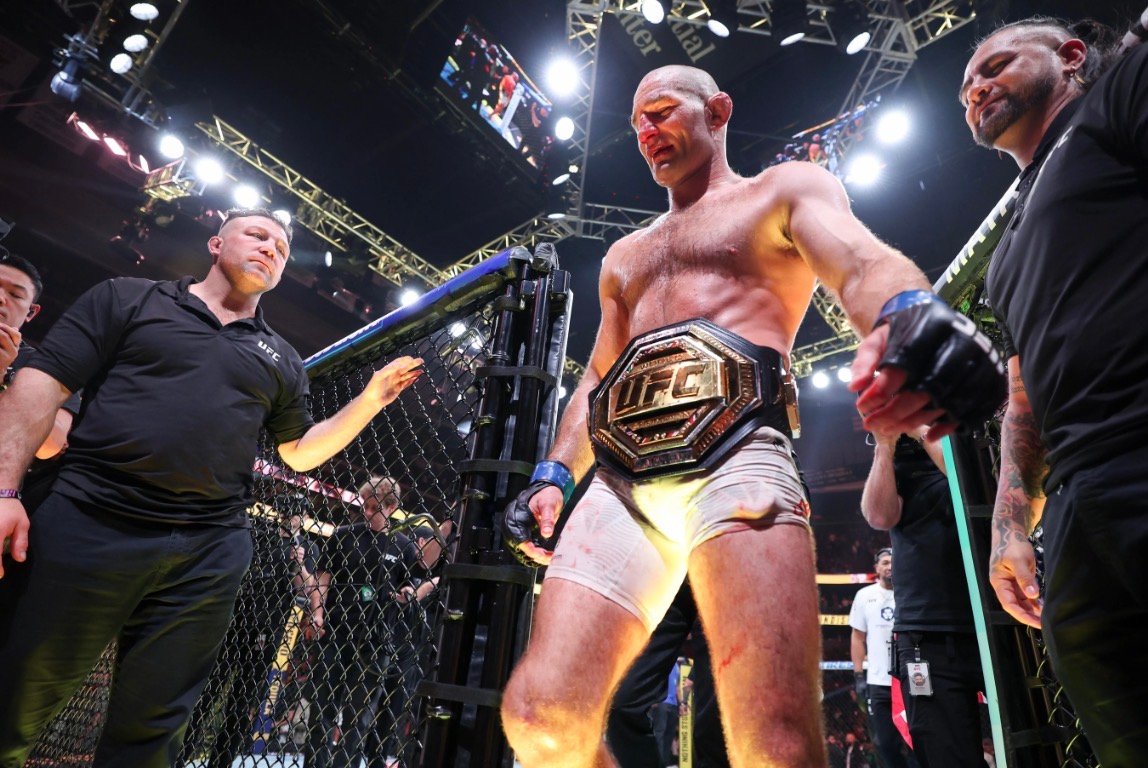
One of the biggest talking points is the aftermath of a dramatic UFC middleweight showdown that has altered divisional momentum. A major upset involving one of the sport’s most feared contenders has created fresh debate over championship pathways and rankings, proving once again that MMA remains one of the most unpredictable sports on the planet.
The middleweight division, traditionally packed with explosive talent, now appears wide open, with contenders expected to jostle aggressively for title opportunities in the coming months. Analysts believe recent results could force significant matchmaking decisions from UFC executives.
Another story commanding enormous global attention is the continued speculation surrounding the potential return of former UFC superstar Conor McGregor. One of the biggest commercial names in combat sports history, McGregor has remained outside active MMA competition for an extended period, but reports suggesting a comeback have reignited worldwide fan excitement.
A McGregor return would instantly become one of the most commercially significant events in combat sports this year. Beyond sporting implications, his comeback would drive extraordinary pay-per-view numbers, sponsorship value, and mainstream media attention.
The Irish fighter remains one of the most polarising figures in MMA history. Admirers see him as a transformative icon who changed fighter economics and elevated the sport’s global visibility, while critics question whether he can still compete at elite championship level after years away from regular competition.
Outside the UFC, global competition within MMA promotions continues intensifying. Organisations such as the Professional Fighters League are aggressively expanding their international footprint, offering fighters alternative pathways and increasing commercial competition in the combat sports marketplace.
This competitive ecosystem is helping deepen talent pools and broaden fan engagement beyond traditional UFC audiences.
Women’s MMA also continues its upward trajectory, with new contenders emerging and divisions becoming increasingly competitive. Technical evolution, athletic standards, and international representation in women’s mixed martial arts have grown dramatically over the past decade.
What makes MMA uniquely compelling is its inherent unpredictability. Unlike team sports where season consistency often determines outcomes, combat sports can change instantly through a single strike, submission, tactical adjustment, or judging decision.
Athletes must combine multiple disciplines including wrestling, Brazilian jiu-jitsu, kickboxing, boxing, grappling, and cardiovascular endurance under extreme psychological pressure.
For Indian sports audiences, MMA’s popularity is steadily increasing through streaming accessibility, gym culture, fitness communities, and social media-driven fan engagement. Combat sports awareness among younger audiences has grown significantly, although India is still developing a sustainable elite-level MMA talent pipeline.
The commercial future of MMA appears exceptionally strong, driven by storytelling, superstar branding, and increasingly global event strategies.
As 2026 progresses, fight fans can expect more rivalry-driven narratives, title shake-ups, comeback announcements, and dramatic championship contests.
In a sport where anything can change in seconds, MMA continues to deliver the kind of volatility that keeps global audiences hooked.
Follow BiGG Sports News for more sports stories
About the Author