India’s Water Sports Momentum Grows as Competitive Aquatic Disciplines Gain National Attention – 2026water
India’s water sports ecosystem is witnessing renewed momentum in 2026, with competitive aquatic disciplines gaining increased national visibility as infrastructure development, institutional participation, and adventure sports interest continue to expand across the country.
One of the major highlights in recent weeks has been the successful staging of the 25th All India Police Water Sports Championship, held at Tehri Lake in Uttarakhand. The championship brought together athletes from police and paramilitary units across India, showcasing competitive excellence in rowing, kayaking, canoeing, and related aquatic disciplines.
The event served as more than just a competition—it highlighted India’s growing ambition to strengthen water-based sporting culture and improve participation beyond niche circles. Tehri Lake, already recognised for its adventure tourism appeal, once again demonstrated its capability as a venue for high-level aquatic competition.
Water sports in India have historically remained underdeveloped compared to cricket, badminton, athletics, and other mainstream disciplines. Challenges such as limited access to quality training facilities, inconsistent funding, safety concerns, and restricted grassroots development have slowed broader expansion. However, recent years have seen a noticeable shift.
Government-backed initiatives, tourism-linked sports promotion, and private adventure sports operators have collectively helped improve visibility. Coastal states and regions with strong natural water resources are increasingly exploring structured development in sailing, surfing, kayaking, jet skiing, rowing, and stand-up paddling.
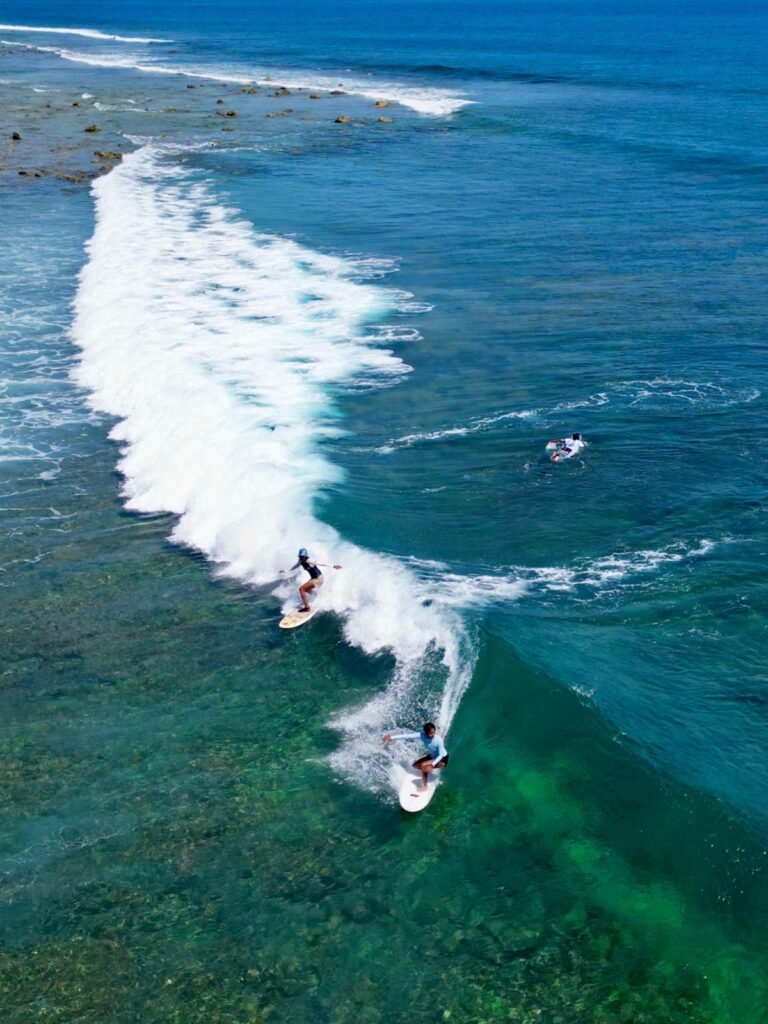
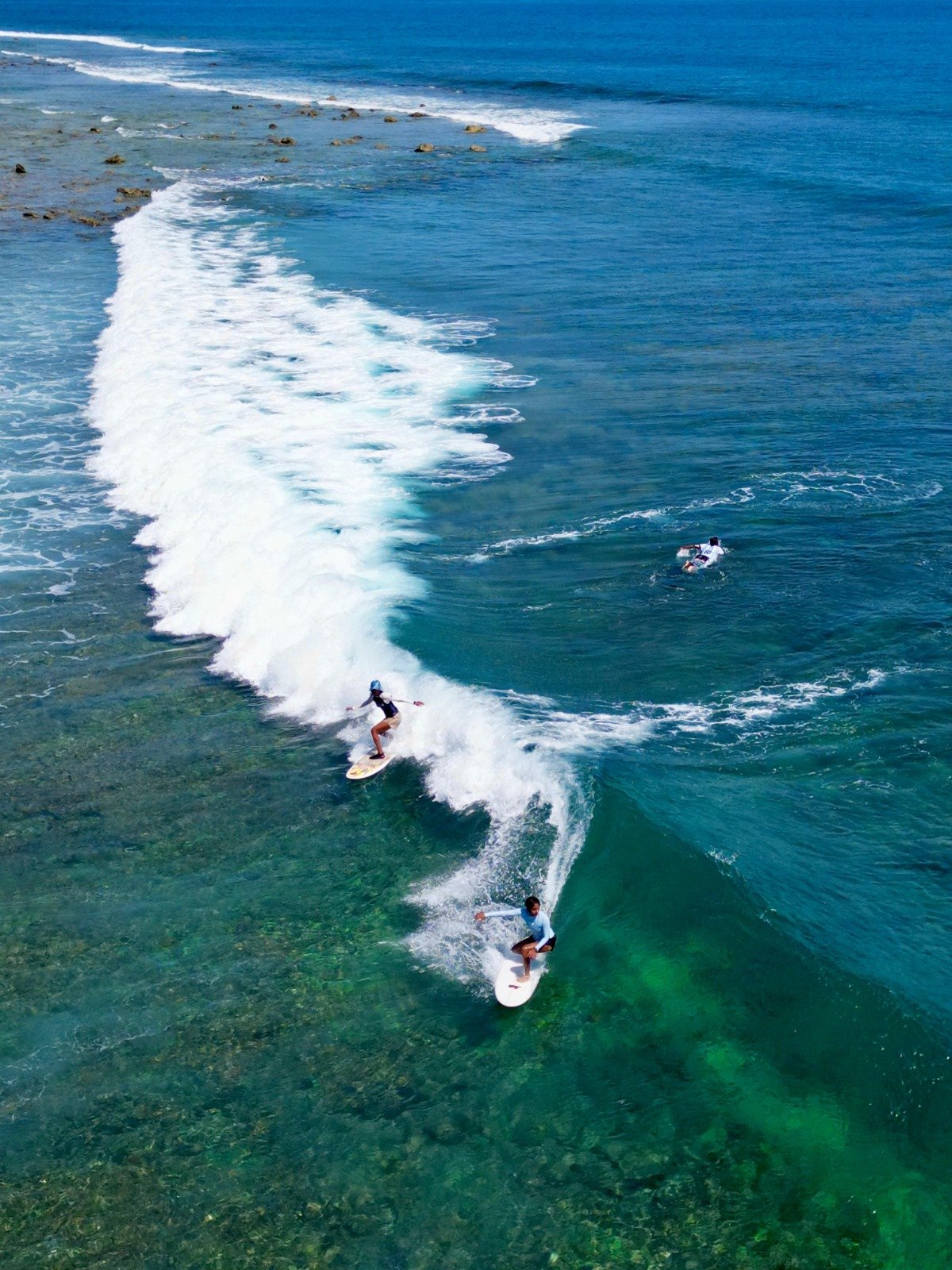
Surfing in particular has emerged as one of India’s most promising lifestyle sports. Coastal regions in Tamil Nadu, Karnataka, Goa, and Kerala have become hubs for surfing culture, attracting both domestic enthusiasts and international attention. The inclusion of surfing in global multi-sport events has further boosted credibility and participation interest.
Kayaking and canoeing have also gained traction, particularly among younger adventure sports participants. Competitive rowing remains a discipline with Olympic relevance, though infrastructure gaps continue to limit broader athlete pipelines.
Water sports also carry commercial potential through sports tourism, wellness travel, youth training camps, and branded competitive events. Adventure-focused destinations increasingly view aquatic sports as a major experiential offering, blending tourism and athletic engagement.
Safety remains a central issue in water sports expansion. Unlike many land-based sports, aquatic disciplines require strong rescue systems, coaching standards, equipment protocols, and environmental awareness. Long-term sustainable growth will depend heavily on institutional discipline and athlete development frameworks.
Internationally, water sports continue to evolve rapidly, with professional surfing tours, Olympic rowing campaigns, sailing circuits, and emerging endurance paddle competitions attracting growing audiences. India’s challenge will be translating domestic enthusiasm into elite competitive success.
The country possesses enormous geographic advantages, including an extensive coastline, reservoirs, rivers, lakes, and island territories. Yet translating natural assets into a world-class sports ecosystem requires coordinated investment, training infrastructure, event management expertise, and sponsorship interest.
There is also a cultural shift underway. Younger Indians increasingly view outdoor adventure activities not just as recreation, but as lifestyle identity and fitness culture. This behavioural change could significantly benefit water sports over the coming decade.
Events like the All India Police Water Sports Championship help normalise aquatic competition within mainstream sporting conversations, creating visibility that could encourage broader youth participation.
For India’s sporting future, water sports represent an untapped frontier with considerable potential. Whether through competitive excellence, tourism development, or grassroots adventure participation, the category appears poised for meaningful expansion.
As investment, awareness, and participation continue to grow, 2026 may be remembered as an important year in India’s evolving aquatic sports journey.
Follow BiGG Sports News for more sports stories
About the Author