BFI|Latest Badminton News: New Scoring System and Synthetic Shuttlecock Trials – 2026

BFI – The badminton world is entering a transformative phase after the Badminton World Federation (BWF) officially approved a major scoring overhaul, replacing the long-standing 21-point format with a new best-of-three 15-point system from 2027. The move has triggered intense debate among players, coaches, and fans, with opinions sharply divided on whether the change will modernise the sport or dilute its competitive essence.
BFI – The decision, ratified during the BWF Annual General Meeting, is being positioned as a strategic effort to make badminton faster, more television-friendly, and physically less demanding on athletes. BWF believes shorter matches could improve scheduling flexibility for broadcasters while increasing the sport’s appeal to younger audiences accustomed to quick-format entertainment.
However, the response from within the badminton fraternity has been far from unanimous.
Several top players have expressed concerns about how the shorter format could dramatically alter tactics and momentum. Under the traditional 21-point structure, players often had time to recover from slow starts, adapt strategies, and grind opponents down physically. The new 15-point format may leave little room for recovery, making early mistakes significantly costlier.
China’s world champion Shi Yuqi reportedly acknowledged the need for adaptation, noting that shorter games could intensify pressure from the opening rally itself. Veteran voices in the sport have also questioned whether the format prioritises entertainment over sporting purity.
Indian coaching circles have also reacted strongly. Renowned coach U Vimal Kumar criticised the decision, calling it short-sighted and arguing that badminton’s deeper structural challenges cannot be solved merely by reducing match duration.
Beyond scoring, badminton is also witnessing technological experimentation. The BWF has begun trials of synthetic feather shuttlecocks at selected junior and lower-tier international tournaments. Traditionally, elite badminton has relied on shuttlecocks made from duck or goose feathers, but supply shortages and rising manufacturing costs have pushed the federation toward alternatives.
If successful, synthetic shuttle adoption could become one of the most significant equipment changes in badminton history. Officials say performance feedback from players and organisers will determine whether the synthetic versions eventually reach elite tournaments.
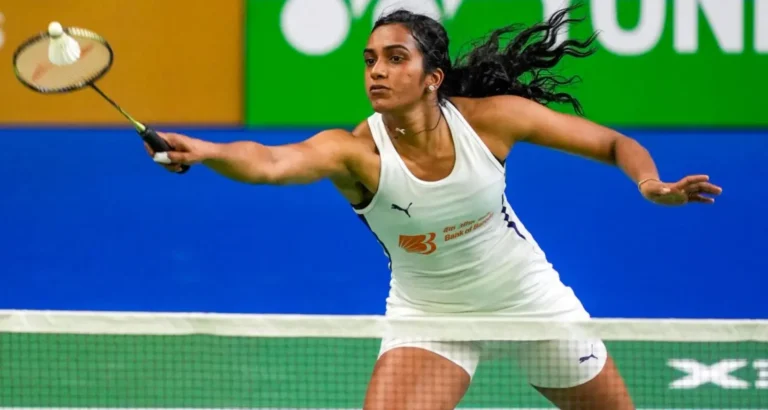
BFI – For Indian badminton, the changes come at a crucial period. The nation continues to rebuild its competitive pipeline with established stars like PV Sindhu balancing experience with a younger generation aiming to break through consistently on the world stage.
Analysts believe the new format may favour explosive, aggressive players capable of quick scoring bursts, while endurance-based players could lose a key advantage.
Commercially, the changes align with a broader trend across global sports, where governing bodies are increasingly adjusting formats to improve broadcast appeal and fan engagement. Cricket’s T20 revolution, tennis tie-break innovations, and shorter-format competitions in multiple sports show how entertainment considerations are reshaping traditional structures.
BFI – Badminton now stands at a similar crossroads.
Will the faster format create a more exciting product for global audiences, or will it strip away the tactical richness that made the sport compelling?
That answer will only emerge once players step onto court under the new rules BFI.
For now, one thing is certain: badminton’s future will look very different from its past- BFI.
Follow BiGG Sports News for more stories
About the Author